In order to teach students to be real writers, the teacher has to treat them as if they are one. Giving students assignments that lack purpose and detail is only going to steer them away from the goal and enhance their lack of motivation. Too often have we relied on state testing and inauthentic writing assignments to convey messages and meanings to our students. By doing this, are we preparing them to write for real-life audiences? And not only this but are we developing them to write for other disciplines, as well? It’s a legitimate question and concern I have because I was one of these students who did not get to write for authentic audiences throughout middle school and high school. I had to write for outside publications, to audiences I was specifically targeting, sports, my specialty. Now, the major question that presents itself is this: after reading all semester about concepts and strategies to motivate young students to become solid writers, how can we get them to feel, think and talk like real writers?
Free-Writing for 15 Minutes
This is something I observed and took part in myself when I was in middle school last spring. I observed a former teacher of mine, and I was surprised that she still had them doing free-writing for 15 minutes, anything they chose to write about in their notebooks. I liked it, and I thought it was a great way to stimulate the brain and its thoughts. The idea of having them sit down, write out what they feel is important to them based on that day, is a way to convey your message to them: that writing can be fun and interesting. I remember, on a personal note, when I was in this specific teacher’s class, I used to be so relaxed and excited to write about something that interested me while the room remained quiet. That’s the best type of atmosphere when everybody’s thoughts and ideas are considered acceptable. Some teachers use specific exercises or practices to move into a topic or lesson, but this is a simple one that should be emphasized more often in classrooms.
Authentic Conversations
Now, we covered in detail what authentic writing is. Classroom discussions that engage the entire room foster development. They move the room forward, cause others to respect others’ opinions, and they also provide each and every student with a voice that they know they can share. I know from our class experience, I enjoyed the various voices and discussions everybody shared. Their opinions were their opinions, and it was always interesting to see and understand where they were coming from. A lot of times I found myself comprehending something differently after I heard students touch on topics or points. It got me thinking a different way, and it gave me different outlooks. With authentic writing assignments, we’re writing to real audiences for a real purpose. With authentic conversations, I feel like we can touch on even the most sensitive topics while still hearing what our colleagues have to say about those very same topics. We have to be respectful of others’ opinions, it’s critical to a successful learning environment. If everybody has respect for one another’s opinions, you’ll have a fun, interacting, and engaging learning experience.
Peer-Review
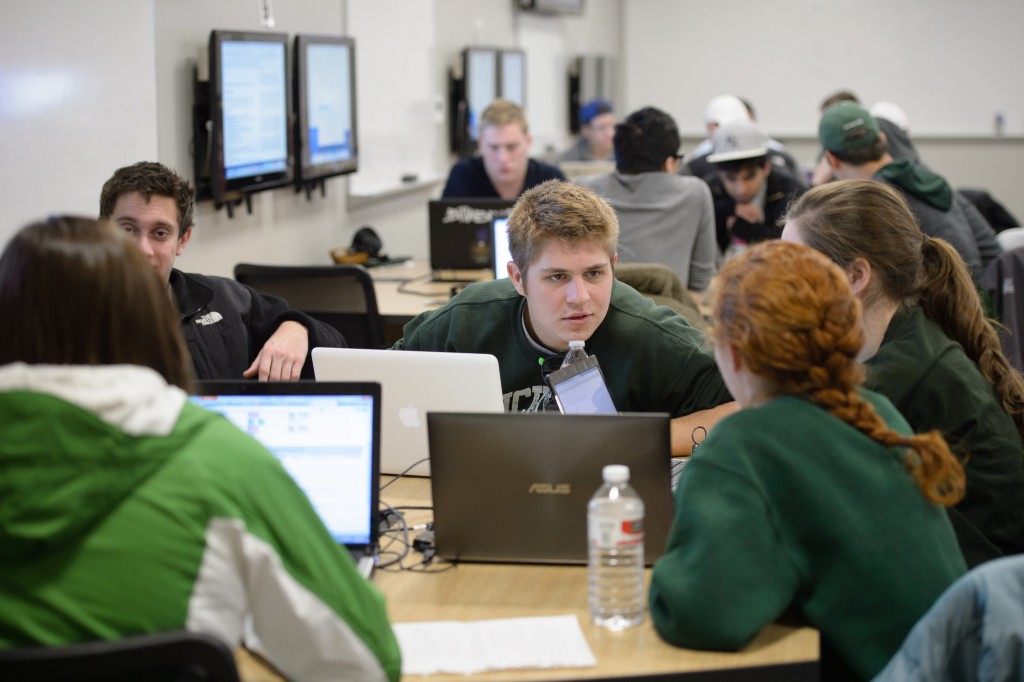
This is an exercise that most teachers use, but do they do it the correct way? Do they stress it enough? In classrooms, we write papers and we sometimes hand them in without revising them thoroughly. Throughout middle school and high school, I was forced to write so many papers about books that didn’t interest me that I’d write them as quickly as possible and hand them in so that I wouldn’t have to worry about it going forward. The grades were decent, but like everything in life, it could’ve been better. Once I got to Suffolk County Community College, I started taking writing classes that stressed peer-review. It was every single paper that we wrote we had to exchange with one or two students so that they can give us helpful feedback. I wish I would’ve done this earlier, but better late than never. When you use peers for feedback, you’re using their thoughts and ideas combined with your own to form the best product possible on the page or screen. Brainstorming with others is a great way to open your mind to other avenues, possibilities, and opinions. There is really no negative to peer-review, as long as the person responsible for your paper is putting in the work to provide you with helpful feedback, everybody benefits.
Unconventional Practices
It was discussed in Jim Burke’s The Six Academic Writing Assignments and Rhiannon discussed it in her last blog, but a teacher took his class outside before they started a novel, and he lined them up on the football field on the yard-line by age. It was an interesting exercise, to say the least. I met with a man over the summer named Dr. Michael J. Hynes, who happens to be the Chief of Port Washington schools, and he told me and Sean (McDonough) that he found it helpful to have students do quick exercise before starting the class up. For example, jumping jacks for 30-45 seconds to get the blood flowing and brain stimulated. Their studies showed increased learning and better results. I came away from that meeting impressed by his innovative practices he discussed and it’s no surprise as to why he was sought after by other schools. I actually am leaning towards incorporating this into my classroom, especially after it checked out and proved to have worked for many students.

Brainstorm Sessions
I discussed peer-review and stressed the importance of it, but when it comes time to write a paper, I want to either work collaboratively as a class or put my students into small groups to brainstorm ideas and topics, while exchanging thoughts and suggestions. Papers are stressful, and they can be overwhelming for many, but what if we took some of that pressure off the student by allowing them to meet with others to discuss topics and ideas for their paper? A lot of times teachers hand out assignments and the student has to generate ideas by themselves and often struggle. The teacher is there for suggestions but they’re not going to walk you through your paper or hold your hand. Students, our friends, the ones that care, will help us through the process. Imagine, for example, the teacher is working the Sci-Fi unit, and they tell you the entire class will be writing about space travel. It’s a vague topic, but it’s one that you can do a lot with. Having a discussion with others about a topic as interesting as this would be incredible, and I’d be surprised to find any student that wasn’t excited or in favor of partaking in this exercise.
 Writers Uncensored